

led touch bathroom mirror
Understanding the Pricing Dynamics of Concrete Chairs Concrete chairs, a blend of functionality and modern aesthetics, have gained significant popularity in both residential and commercial settings due to their durability and versatility. These chairs, crafted from a combination of cement, water, sand, and aggregate, offer a unique design element that can withstand the test of time. However, when it comes to purchasing them, one might wonder about the factors influencing the price of concrete chairs. Firstly, the cost of raw materials plays a crucial role in determining the price. Concrete, being the primary ingredient, is a mixture of aggregates (), sand, and Portland cement. The fluctuation in the global market prices of these materials directly impacts the final cost of the chair. For instance, a rise in the demand for cement or a shortage of aggregates can lead to an increase in the overall production cost, translating into a higher price tag. Secondly, the manufacturing process and labor involved contribute significantly to the pricing. Concrete chairs require skilled labor to mold, cure, and finish, which is a time-consuming process compared to mass-produced plastic or metal furniture. Moreover, intricate designs or customizations add to the labor-intensive nature of the production, driving up the price. Thirdly, the design complexity is another factor. Simple, minimalist designs generally cost less than intricately detailed or sculptural pieces Simple, minimalist designs generally cost less than intricately detailed or sculptural pieces Simple, minimalist designs generally cost less than intricately detailed or sculptural pieces Simple, minimalist designs generally cost less than intricately detailed or sculptural pieces concrete chairs price . The more artistic and innovative the design, the more time and effort it takes to create, hence the higher the price. Furthermore, the brand reputation and location also play a part. Well-established brands with a reputation for quality may charge a premium for their products. Similarly, regional factors such as transportation costs, local taxes, and supply chain logistics can influence the final selling price. Lastly, sustainability considerations can impact the price. Environmentally friendly practices, like using recycled materials or low-carbon cement, often come at a slightly higher cost but appeal to consumers who prioritize eco-conscious choices. In conclusion, the price of concrete chairs is a result of a complex interplay between material costs, labor, design, branding, and sustainability factors. It's essential to consider these aspects when making a purchase decision, balancing both aesthetic preferences and budget constraints. Remember, while concrete chairs may initially seem more expensive, their durability and low maintenance requirements often make them a cost-effective investment in the long run.
about
led touch bathroom mirror
The Dual Facets of Fence Spikes Security and Controversy In the realm of property protection and perimeter security, fence spikes have emerged as a popular deterrent against unauthorized intrusion and unwanted climbers. These sharp, metal protrusions, typically fixed along the top of fences or walls, embody a simple yet effective approach to enhancing security measures. However, they also spark debates surrounding their ethical implications and potential harm to both humans and animals. This article delves into the dual facets of fence spikes – their role in bolstering security and the controversies that surround their use. **Security A Pragmatic Defense Mechanism** Fence spikes, often made from corrosion-resistant materials like stainless steel or aluminum, serve as a physical barrier that discourages would-be intruders. Their menacing appearance alone acts as a psychological deterrent, signaling that any attempt to scale the fence will result in injury. This passive security measure is particularly favored for commercial properties, warehouses, government facilities, and even residential homes seeking an additional layer of protection without the ongoing costs associated with electronic surveillance systems. Their design varies from blunt-tipped to sharply pointed, with some models featuring a reverse angle that makes it difficult for individuals to dismount once they've climbed onto the spikes. This not only prevents intrusion but can also buy valuable time for security personnel or law enforcement to respond. Furthermore, fence spikes are generally easy to install and require minimal maintenance, making them a cost-effective security solution. **Controversies Balancing Safety and Ethics** While the security benefits of fence spikes are undeniable, they have also become a subject of controversy due to safety and ethical concerns. Critics argue that these devices pose a significant risk to unsuspecting or desperate individuals who may attempt to scale a fence, leading to injuries ranging from minor cuts to severe lacerations and even life-threatening falls if a climber loses balance. The ethical debate extends beyond human welfare to include animal rights. Stray animals or wildlife attempting to traverse fences can inadvertently come into contact with these spikes, causing unnecessary suffering Stray animals or wildlife attempting to traverse fences can inadvertently come into contact with these spikes, causing unnecessary suffering Stray animals or wildlife attempting to traverse fences can inadvertently come into contact with these spikes, causing unnecessary suffering Stray animals or wildlife attempting to traverse fences can inadvertently come into contact with these spikes, causing unnecessary suffering fence spikes . This has led animal welfare organizations to raise concerns about the indiscriminate harm inflicted by such security measures. Legal frameworks in various jurisdictions reflect this dichotomy. Some cities have outright banned or heavily regulated the use of sharp fence spikes in public areas, emphasizing the need for more humane alternatives. Others mandate clear warning signs to alert individuals of the potential danger, striking a balance between security needs and public safety. **Alternative Solutions and the Path Forward** Acknowledging the controversies, developers and security experts are exploring alternative designs that maintain deterrence while minimizing harm. One such innovation includes rounded or blunted tips that still make climbing difficult but reduce the risk of injury. Coating the spikes with non-slip materials can further discourage attempts without causing severe injuries. Another approach involves integrating electronic surveillance with physical barriers, leveraging technology like motion sensors, infrared cameras, and alarm systems to detect and deter intruders without relying solely on potentially harmful physical deterrents. Ultimately, the deployment of fence spikes underscores the complex interplay between security needs and ethical considerations. As societies strive to protect their assets, the challenge lies in adopting security measures that are both effective and respectful of human dignity and animal welfare. Through continued innovation and responsible implementation, it is possible to strike a balance that upholds security without compromising on ethical standards.
-

High quality industrial productsagement

High quality industrial products
View Details -

Meet the diverse needs of customers

Meet the diverse needs of customers
View Details -

Strict quality control

Strict quality control
View Details -

Top raw materials

Top raw materials
View Details -

Trusted supplier

Trusted supplier
View Details
Our application

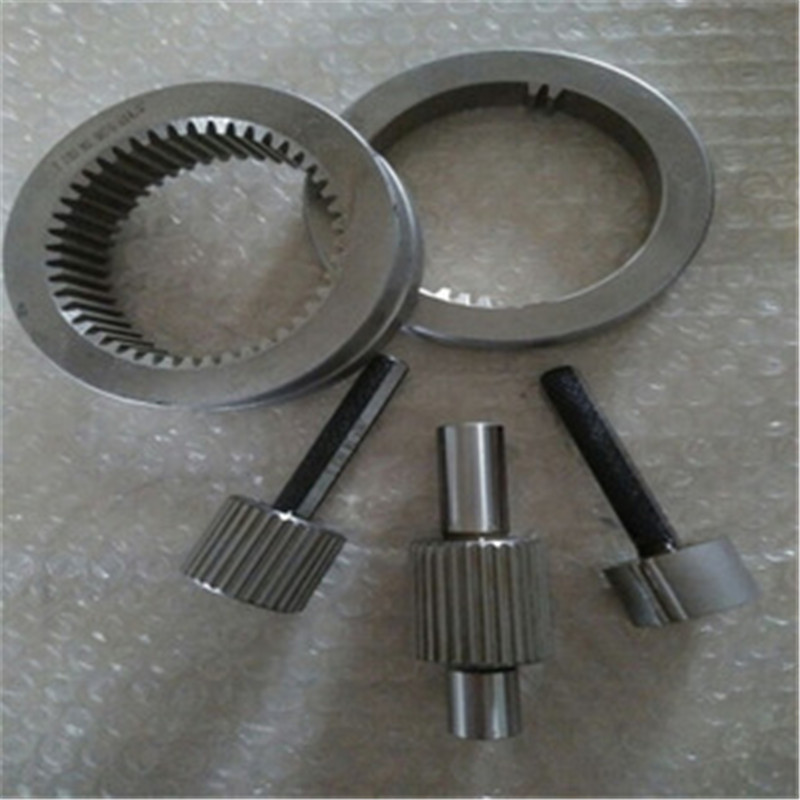

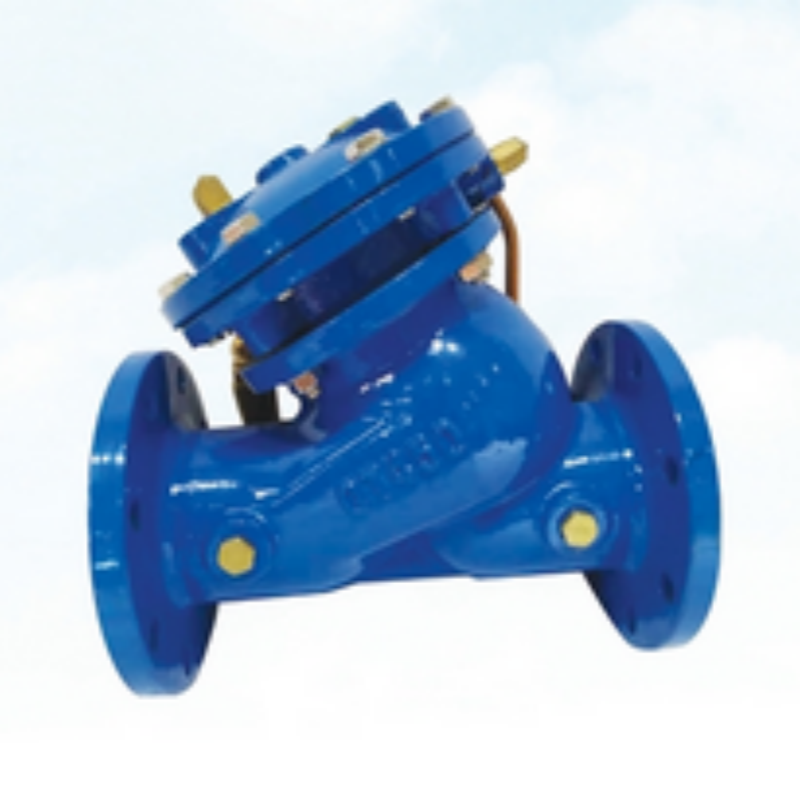
news and information
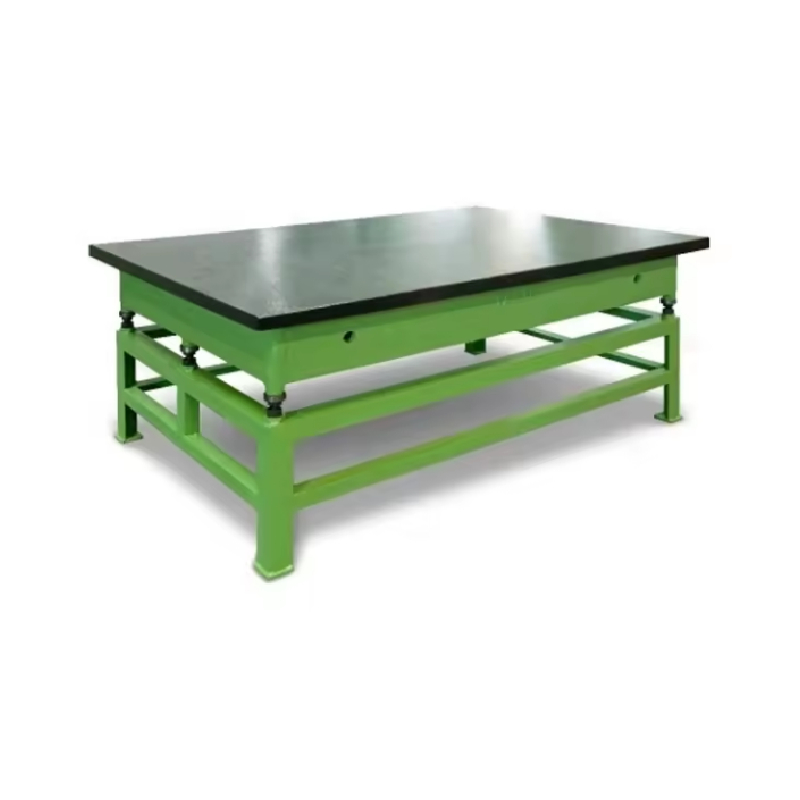
v frames
The Evolution and Impact of V Frames in Modern Visual Media In the rapidly evolving landscape of vis
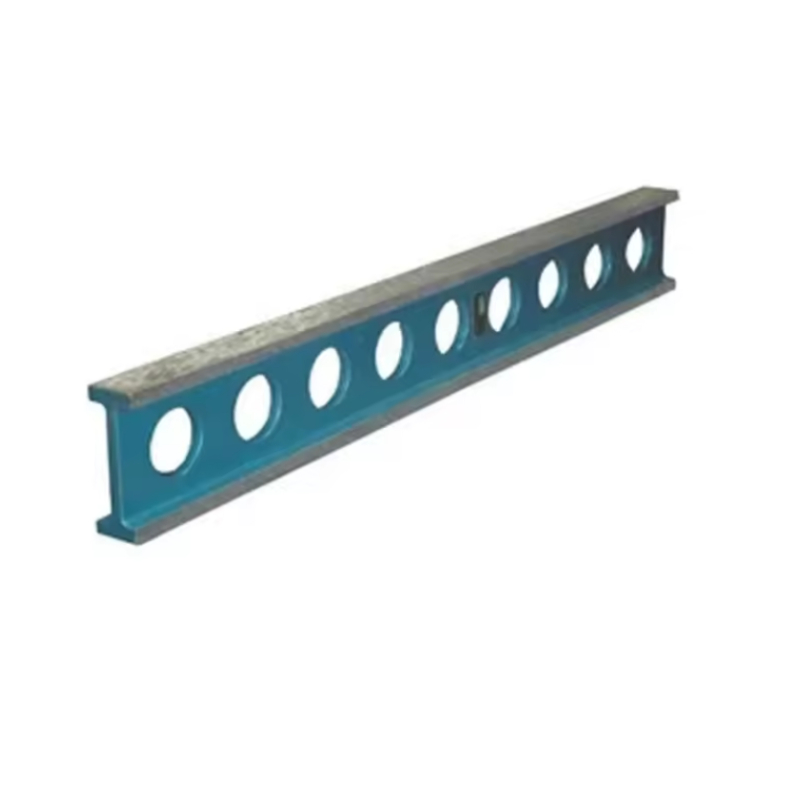
Versatile 5 8% Welding Table Clamps for Precision Metalworking and Fabrication
The Importance of 5% and 208% Welding Table Clamps in Modern Fabrication In the world of metal fabri
Water Valve Types And Their Delivery Times
Water valves play a crucial role in managing water flow within your home or industrial system. Wheth
 English